

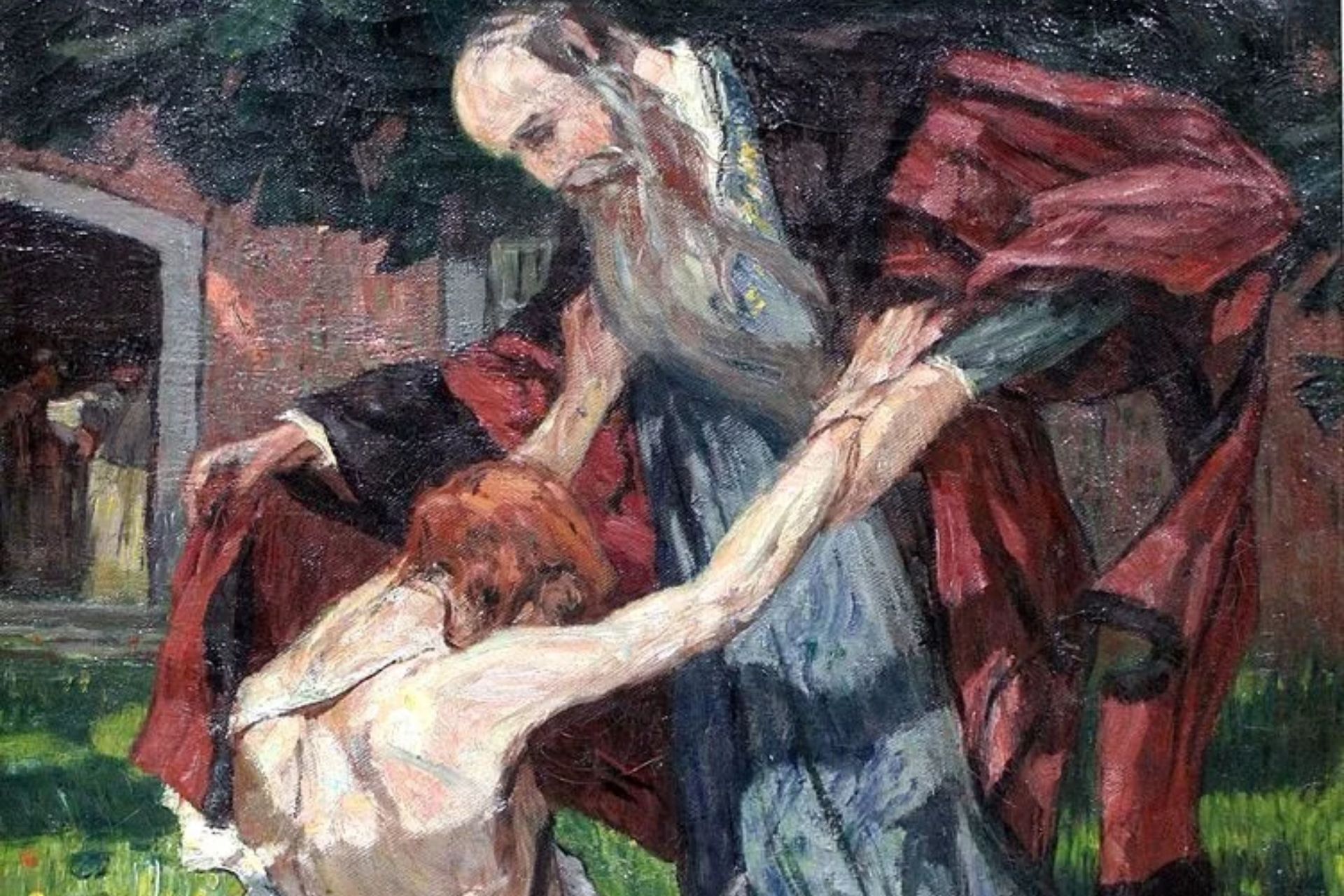
Forgiveness? "Oh That's Easy!"
On The Lord's Prayer part 4: This one's about sin... and that makes me nervous!
“I’m really nervous about writing on this part of the Lord’s Prayer,” I told a friend on Sunday.
“Why?” she asked.
“Because it’s about sin!” I said. “What do I even say about that?”
She smiled calmly. “Oh, that’s easy,” she said. “Jesus took care of it.”
Well… yup.
There’s a lot more we can (and will) say about it. But that’s really the point, isn’t it?
Whatever hang-ups I have around the word “sin,” and that tricky bit about forgiving others, let’s keep it in perspective: Jesus took care of it! That’s the fantastic good news.
It comes to us castaways like a message in a bottle from across the sea: “Rescue is coming!” Our hearts leap. We are saved!
Father… forgive us…
It may be hard to say at first. Do I really want to admit that I’m a sinner? That I’m enslaved to a broken will? That I’m “wretched,” that “I do not understand what I am doing, because I do not practice what I want to do, but I do what I hate” (Romans 7:15, 24)?
Hardly!
But it’s true. And I know it.
G. K. Chesterton once noted that “certain new theologians dispute original sin, which is the only part of Christian theology which can really be proved.” Whether or not we can be washed in miraculous waters, he said, there’s no doubt at all that we want washing.
One honest glance at myself tells me as much. That’s not news.
What is news is that Jesus has taken care of it! It’s astonishing news that God has reconciled me to himself, and that I am already his beloved child.
That’s the good news this whole prayer rests on. I can call God “Father” without fear, without shame. In fact, Jesus commands me to address him that way!
So every day I can joyfully ask to be forgiven, because I’m certain of the answer. For Jesus’ sake, God, my good Father, will wash me clean again and give me his own Spirit. (What father would hand his child a snake when he asks for a fish, or a scorpion when he asks for an egg? Luke 11:11-13.)
Read our 2026 Impact Report
No mental shield required. Kendra was used to bracing before opening anything Christian. Now In the Meantime is the first email Kendra looks for: “I never have to put up a mental shield before opening the email.”
Read more encouraging stories in our impact report:

Then what?
Shall I just go on sinning? Knowing that I’ll be forgiven again? Absolutely not!
When I know in my bones that God will always forgive me. Then I can understand what Jesus means when he says, “For if you forgive others their offenses, your heavenly Father will forgive you as well. But if you don’t forgive others, your Father will not forgive your offenses” (Matthew 6:14-15).
This isn’t Jesus taking back his promise of free and abundant forgiveness for all. He can’t go back on his word. He guaranteed that promise by suffering and dying to pay all our debts. Instead, these words are a promise of their own. God ties his promise to every act of forgiveness: as surely as you forgive, you are forgiven.
Of course, if I refuse to freely forgive others. Then I’m refusing God’s free forgiveness for myself. I can’t hold my hands open to receive God’s forgiveness while clenching them into fists to strike my neighbor.
So what do I do when I realize I’m the unforgiving servant in the parable (Matthew 18:21-35), stingy with my own forgiveness? I run to the Father and confess! Knowing that no matter how big my debt is, he will forgive it. (Maybe the real trouble with the servant in the parable was that this was the 7th debt the master had forgiven him that day already!)
Forgiveness as a spiritual practice
When we keep our attention on God’s promise of forgiveness in Christ, we can drop all the transactional thinking about God weighing our forgiveness and measuring out his own in equal portions.
Our forgiving others (our “good works,” if you will) becomes a practice that strengthens our faith. Every time we forgive someone, we open our hands toward God first, and then toward others. And he promises that when we forgive, we are forgiven!
Provisions for the Road
LATEST PODCAST
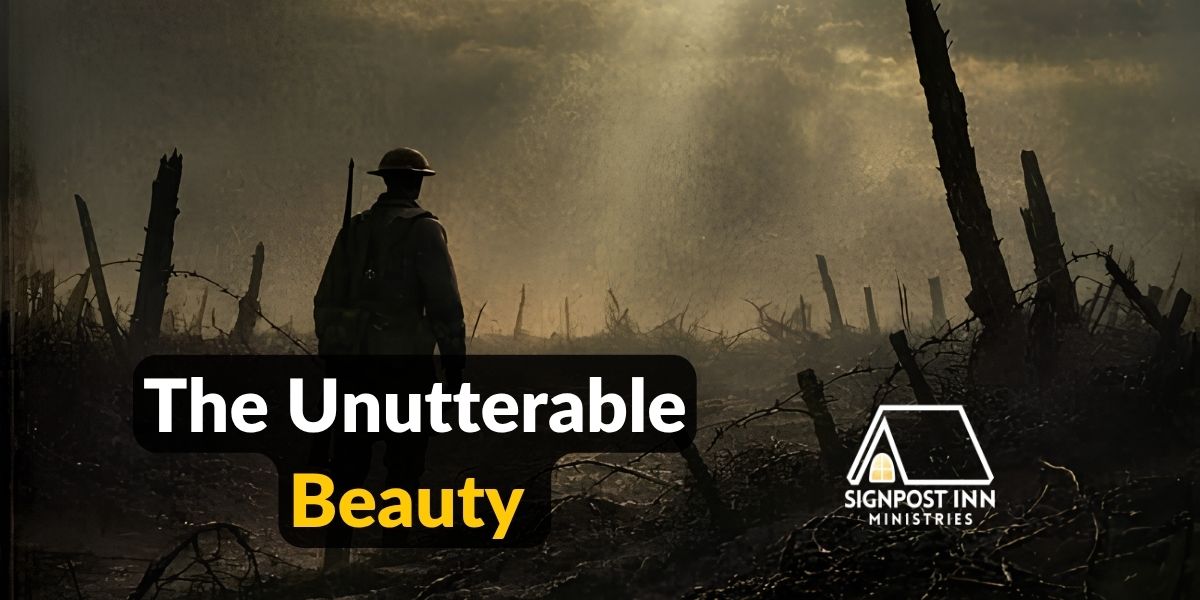
The Unutterable Beauty: Faith in Suffering
What do you do with your faith when the suffering is real and nobody has an answer that actually helps? Many of us have been handed tidy explanations for pain that left us feeling more alone than before.
In this episode Brandon, Matt, and Liv sit with "Faith," a raw poem by G.A. Studdert Kennedy, the British army chaplain known as "Woodbine Willie," written out of the horror of World War I. Liv reads the poem in full, and then they talk about why honest faith in the face of evil feels like such a relief, why suffering is the number one reason people walk away from Christianity, and why Jesus answers the problem of pain with his presence instead of an explanation.
Food for Thought
Things the team found interesting this week, no endorsement implied.
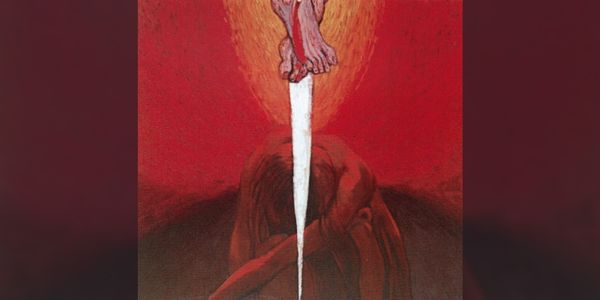
The Art of Getting Used to Justification
By David Zahl at Mockingbird
Zahl shares a short passage from theologian Gerhard Forde that he calls a must-read. Forde argues that growing in holiness isn’t our share of the work, added on to keep grace from being too generous. It’s simply the forgiven life, as the old self dies and Christ raises a new one. In Forde’s words, sanctification is “the art of getting used to justification.”
The Doctrine of Sanctification
By Dr. Jordan B. Cooper at Just & Sinner
If this week’s article left you wondering how forgiven people actually grow, this hour-long lecture walks through the answer. It’s part of Cooper’s free Intro to Christian Theology series, and a clear, careful overview for anyone who wants to go deeper than a short article can.
February Seven: Music Video
By The Avett Brothers, live for Billboard
Mockingbird paired Forde’s essay with this song, and it’s easy to hear why. “February Seven” (from The Carpenter, 2012) is a weary, hopeful song about someone tired of running who finally lets go. Four and a half minutes worth sitting with after this week’s article.
Bonus: Luther on the Fifth Petition
By Martin Luther, Large Catechism (Book of Concord)
Luther on “forgive us our trespasses.” God forgives freely, he says, not because we forgive others. But God ties a promise to our forgiving, a sign we can hold onto every hour, much like the water of Baptism or the bread and wine of the Lord’s Supper. A short read, and the source behind this week’s article.
